
Mahjong Empire: Classic Match
PlaySimple GamesBoard
4.9451.00 Reviews
- Version
- 1.50.0
- Installs
- 100.00K
- Age Rating
- Everyone
Screenshots
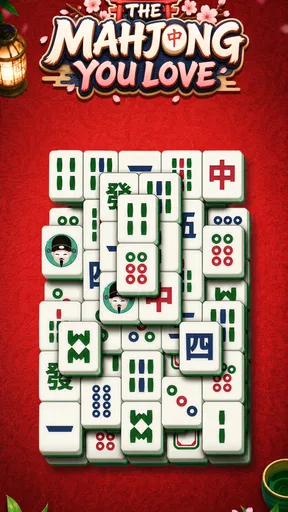
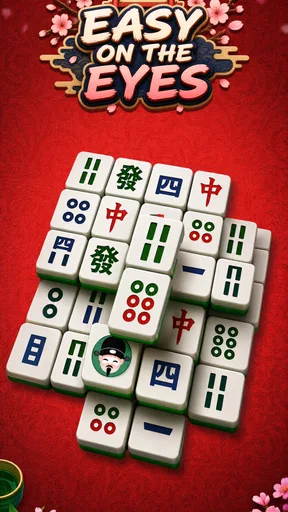
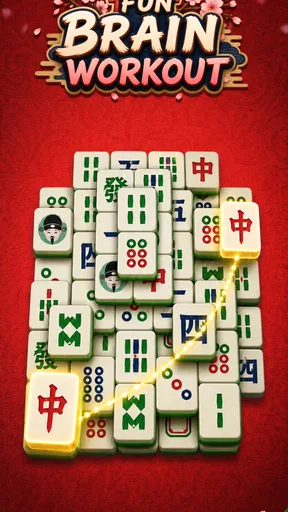

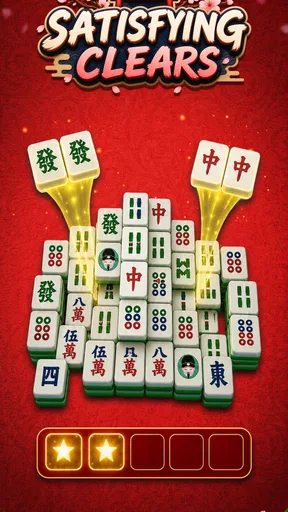
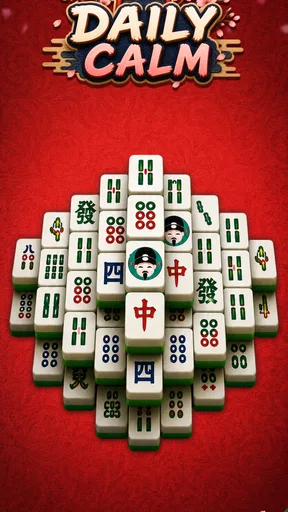
Our Review of Mahjong Empire: Classic Match
 Analysis by Appyee
I approached Mahjong Empire: Classic Match as the kind of game I could open for a quiet break rather than a long, demanding session. It is a free board game from PlaySimple Games, built around Mahjong Solitaire puzzles and short brain-training moments. The first impression is deliberately calm: you are presented with a tile-matching challenge, not a complicated rulebook or a crowded multiplayer battlefield.
That simplicity is its biggest invitation. If you already enjoy clearing matching tiles, the basic idea is immediately familiar. If you have never played Mahjong Solitaire, the opening rounds are a comfortable way to learn because the goal is easy to understand: find available matching tiles and remove them while keeping an eye on what remains underneath. I found that the game becomes more interesting once I stopped treating every visible pair as an automatic move and started thinking about which removal would reveal the most useful options.
What to expect from the first puzzle
The game belongs firmly in the casual board game space. It is not trying to replace a deep strategy title, and I would not choose it when I want a story, a competitive ranking system, or fast action. Its appeal is the small mental pause between seeing the board and deciding what to do next. That makes it suitable for a coffee break, a quiet commute, or the few minutes before bed when I want something more engaging than scrolling.
The store presents it as a relaxing Mahjong Solitaire experience with daily brain challenges, and that description matches the intended mood without telling the whole story. The real pleasure comes from managing the visible board. A pair may be technically valid but strategically awkward if it leaves important tiles buried. Another pair can open a wider section of the layout and make the rest of the puzzle easier to read.
One useful expectation to set is that “relaxing” does not mean every board feels effortless. The visual style and familiar matching rules make the game approachable, but the decisions can still become tense when several tiles are blocked or when a careless choice reduces the number of future matches. I enjoyed that gentle pressure because it gives each move a reason, even when the overall session remains low-stress.
The game is rated for Everyone, which fits the straightforward nature of the activity. I would still describe it as best for people who enjoy visual concentration and patient planning. Younger players may understand the matching premise quickly, while adults can use it as a light puzzle routine. It is not the right choice if you need a game that explains every decision in depth or provides a substantial challenge from the first screen.
How I handled the initial setup
Getting started is uncomplicated. The game is free to install, supports devices running Android 8.0 or later, and the current version is 1.32.0. I would check the operating-system requirement before downloading on an older phone, especially if the device has been kept for basic calls and messaging rather than updated regularly.
Because the game is free with in-app purchases ranging from $1.99 to $49.99 per item, I treated the purchase options as something to review rather than something I needed immediately. My advice for a first session is simple: begin with the free play experience, learn how the board behaves, and only then decide whether any optional spending fits the way you use the game. A free entry point is helpful, but it does not automatically mean every convenience will be free.
I also recommend starting when you have a few uninterrupted minutes. Mahjong Solitaire is easy to pause mentally, but the best decisions come when I remember which tiles I have already exposed and which areas are still blocked. Opening the app while distracted is not a problem, yet it can make an avoidable mistake feel like a difficulty issue when it was really a concentration issue.
The developer is PlaySimple Games, and the game has passed the early discovery stage with over 100 thousand installs. Its average rating is 5.0 from around 8.3 thousand ratings, with 255 written reviews. Those figures suggest strong early approval, although I would still judge the experience by your preferred puzzle rhythm rather than by the rating alone. A player looking for calm matching boards may be delighted; someone wanting a more demanding tactical system may find the design intentionally light.
My first meaningful success
My first satisfying moment was not simply removing a pair. It was making a move that exposed a new part of the board and then using that opening to create a second useful match. That is the habit I would teach a new player: do not ask only, “Which two tiles can I remove?” Ask, “Which removal gives me the clearest next decision?”
At the beginning, I scan for pairs that are genuinely available rather than assuming two matching symbols can always be selected. In Mahjong Solitaire, position matters. A tile can be visible but still unavailable if it is covered or pressed into a blocked arrangement. Once I identify the legal choices, I look for the pair that frees a covered tile, opens a side, or reduces a crowded section of the layout.
This approach makes the first successful board feel earned without making it intimidating. I do not need to memorize a complicated opening strategy. I only need to slow down enough to notice consequences. If two pairs look equally attractive, I prefer the one that reveals more information. More information usually means better choices later, and that is a practical advantage for beginners who are still learning the tile patterns.
A second tip is to avoid removing every obvious pair immediately when the board offers several alternatives. Sometimes a pair that looks convenient is more valuable as a future option than as an instant clearance. I found it helpful to keep a mental note of matching tiles that remain accessible and to choose moves that preserve flexibility. This is a small change, but it separates thoughtful play from simply tapping whatever catches the eye first.
When a board starts to feel confusing, I pause and inspect the exposed edges before touching anything. The outer areas often provide a clearer route into the covered center. I would not call this a secret feature; it is a practical way to read the board that becomes especially useful once the easy early moves disappear.
Where new players can get confused
The most common confusion is assuming that matching symbols are enough. They are not enough if one of the tiles cannot be selected because of its position. I initially found myself looking at the design rather than the access around each tile, so I learned to check whether a tile is actually free before planning around it. That single check prevents a lot of wasted taps.
Another point of friction is the difference between a move that works now and a move that helps later. The game does not need to be complicated to punish careless sequencing. Removing one pair may uncover a tile that has no partner available, while removing another pair first may open several routes. If you reach a point where the board appears to have stalled, retrace the last few decisions mentally instead of blaming the puzzle immediately.
Tile recognition can also take a little time. New players may scan for identical pictures without noticing how quickly the remaining layout becomes visually busy. I found it easier to divide the board into small areas: left side, right side, central stack, and newly exposed tiles. This reduces the amount of information I hold at once and makes the next match easier to spot.
The relaxing presentation can create a misleading sense that every move is harmless. I would resist that assumption. The atmosphere is gentle, but the puzzle still rewards attention. Play it like a calm logic exercise, not like a background animation where tapping randomly will always work.
Building a better routine after the first win
Once I understood the basic flow, I started using a three-pass routine. First, I scan the whole board without moving anything. Second, I identify the pairs that will expose the most covered space. Third, I reassess after each important removal rather than following a fixed plan. This is more reliable than deciding on a long sequence at the start because every cleared pair changes what is available.
That routine is particularly useful for the game’s daily brain-challenge angle. I can approach a daily puzzle as a small concentration exercise instead of trying to rush through it. On a busy day, I might play one careful round during a lunch break. On a quieter evening, I can use several boards as a way to reset my attention after work. The value is less about duration and more about having a repeatable activity that asks me to observe, compare, and choose.
A realistic use case is a short waiting period at a medical appointment or while a meal is cooking. I would choose this over a competitive game because it does not require me to coordinate with other people or remember a complicated storyline. At the same time, I would not start a puzzle if I knew I had only a few seconds, since the experience benefits from giving the board a proper look.
For someone who normally plays classic card games, this offers a similar sense of orderly progress but with more emphasis on spatial awareness. Compared with a word puzzle, it requires less vocabulary and more visual scanning. Compared with a traditional physical Mahjong set, it removes the effort of arranging tiles and lets the board handle the presentation, although it also feels less social and tactile. Those differences matter: choose this game for convenience and quiet focus, not for table conversation or hands-on pieces.
Players who prefer Sudoku may appreciate the careful elimination, but the logic is different. Sudoku rewards numerical constraint tracking, while this game asks me to manage access and sequence. Someone who enjoys solitaire card games may adapt quickly because both activities reward planning several steps ahead, yet the visual structure of tile stacks creates its own learning curve.
What may affect your enjoyment
The strongest limitation is also part of the game’s identity: the experience is intentionally focused. If you want a large range of mechanics, a rich narrative, or a multiplayer reason to return, this may feel narrow. Its board-based matching loop is easy to pick up, but that means the long-term appeal depends on how much you enjoy repeating and refining that style of play.
The free-to-play structure is another consideration. I could begin without paying, which is important for testing whether the format suits me. However, the presence of optional purchases means I would keep an eye on any prompts and make sure purchasing decisions remain deliberate. I would especially recommend that parents review device purchase settings before letting children explore the game, even though the content rating is Everyone.
The rating and install history may reassure people who are hesitant to try a new puzzle title, but they do not change the basic trade-off. This is a focused Mahjong Solitaire game, not an all-purpose board-game collection. If you want variety in one download, a broader game hub may be a better fit. If you want one recognizable puzzle format that is easy to return to, the focused design works in its favor.
I also think the game is less suitable for players who become frustrated by visual searching. The challenge is not based on fast reflexes, but it can still feel tiring when the board contains many similar-looking tiles. Playing with a clean screen, good lighting, and a few minutes of attention makes a noticeable difference. I found that trying to play while watching television reduced the relaxing quality because I kept losing track of which areas I had already checked.
Who should try it, and who should skip it
I would recommend it to a first-time Mahjong Solitaire player who wants an approachable introduction, to casual board-game fans who enjoy short sessions, and to anyone looking for a quiet activity with a little more mental involvement than passive entertainment. It is also a sensible option for players who like building small routines around daily puzzles and prefer visual challenges over word or number games.
I would be more cautious about recommending it to someone who needs a strong sense of progression beyond board completion. Likewise, players seeking direct competition, social interaction, or a deep strategy system should look elsewhere. The game’s appeal comes from the quality of each small decision, not from a large collection of modes that constantly changes the rules.
For a child, the Everyone rating makes the content broadly approachable, but I would still explain the matching rule and keep purchase controls in mind. For an older adult who enjoys traditional tile games, the digital format may be convenient, though screen size and tile visibility will matter in practice. On a small phone, I would play slowly and avoid rushing through a crowded arrangement.
My next-step advice after installing
After installation, I would not begin by chasing speed or spending money. I would complete the opening puzzle carefully, notice which removals expose new tiles, and use the next board to practice preserving options. If a daily challenge is available in the normal flow, I would treat it as a routine rather than a test of perfection. The goal is to understand the board’s logic first.
My most useful practical rule is to reassess after every major opening. A move that was excellent a moment ago may no longer be the best move once a new section is visible. I also recommend scanning the edges before the center, because the outer tiles often provide the clearest route to freeing blocked areas. When two choices appear equal, choose the one that leaves more accessible pairs and more information for the next turn.
After several sessions, you will know whether the calm matching loop fits your habits. If it does, the free starting point and compact board-game format make it easy to keep nearby for spare moments. If it does not, there is no reason to force it: a word game, number puzzle, card solitaire title, or physical Mahjong set may offer the kind of challenge or social experience you actually want.
My final view is positive but specific. Mahjong Empire: Classic Match succeeds when I use it as a focused pause: look carefully, make one sensible choice, and let the board reveal the next problem. PlaySimple Games has kept the entry barrier low, while the need to plan tile access gives the familiar format enough substance to reward attention. I would recommend trying it free, learning the first board without rushing, and deciding from there whether this particular rhythm belongs in your daily puzzle rotation.
Privacy and Permissions
See what permissions an app requests and how it handles your data.
- Device & app history
- read sensitive log data
- Wi-Fi connection information
- view Wi-Fi connections
- Other
- view network connections, full network access, run at startup, control vibration, prevent device from sleeping, read Google service configuration
Verdict
Strengths of Mahjong Empire: Classic Match
- Classic mahjong rules are easy to learn for new players.
- Short rounds make it convenient for quick gaming sessions.
- Clear tile layouts help identify possible matches quickly.
- Offline play is useful when traveling or without internet access.
- Relaxing gameplay suits casual players seeking a low-pressure experience.
Limitations of Mahjong Empire: Classic Match
- Some levels may feel repetitive after extended play.
- Tile designs can be small on phones with compact screens.
- Limited variety may disappoint players seeking modern game modes.
- Mistakes can be frustrating when several identical tiles remain.
- Progression may feel slow without enough challenge variety.
Other Releases by PlaySimple Games
View All


Similar Picks in This Category
View All
Ludo King®
Gametion4.1

Ludo
Yarsa Games4.6

Tile Master® - Matching Game
Higgs Studio3.6

Checkers Online
CC Games4.6

Dominoes
Loop Games4.7

Chess
Chess Prince4.6
Frequently Asked Questions
What is Mahjong Empire: Classic Match?
Mahjong Empire: Classic Match is a tile-matching puzzle game based on traditional Mahjong solitaire rules. You clear the board by finding and pairing identical, available tiles, while working through different layouts and stages. The game is designed for short sessions as well as longer play, making it suitable for casual players who enjoy relaxing puzzles, pattern recognition, and gradually more challenging boards.
How do you play Mahjong Empire: Classic Match?
The objective is to remove every tile from the board by matching two identical tiles that are free on at least one side and are not covered by another tile. You select a tile and then its matching partner to clear the pair. Careful planning is important because removing tiles in the wrong order can block useful combinations and leave the board unsolvable.
Does Mahjong Empire: Classic Match work offline?
Mahjong Empire: Classic Match is generally suited to offline play, which makes it convenient for commuting, traveling, or relaxing without a stable internet connection. Basic puzzle gameplay should not require a constant connection, although features such as advertisements, analytics, updates, cloud services, or other optional online functions may behave differently depending on the device and current app version.
Is Mahjong Empire: Classic Match free to download?
The game is typically available as a free download, allowing players to try its core Mahjong solitaire experience without paying in advance. However, free versions may include advertising, optional purchases, or limitations connected to hints, extra tools, or other convenience features. Before downloading, check the current store listing for the exact pricing model and any in-app purchase details.
Who should download Mahjong Empire: Classic Match?
This game is a good choice for players who prefer calm, easy-to-learn puzzles rather than fast action or competitive multiplayer. It can appeal to both beginners and experienced Mahjong solitaire fans because the basic matching rules are simple while later layouts may require more thoughtful decisions. Players who dislike advertisements, repetitive levels, or optional purchases should review the store information first.
Play our best games!


